Mahama Gov't Moves To Deepen Decentralisation And Strengthen Local Governance
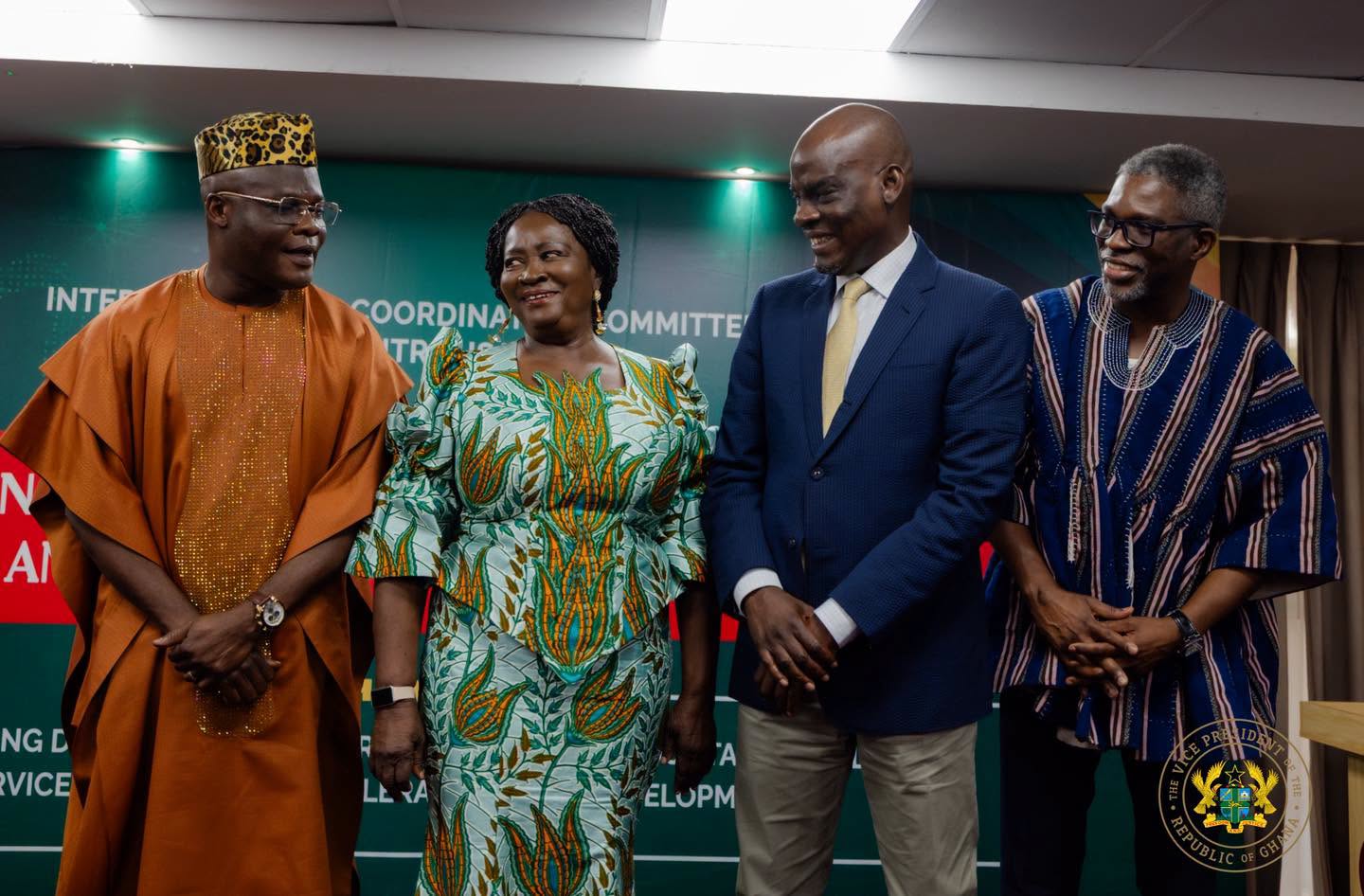 Vice President Prof Jane Naana Opoku-Agyemang has reaffirmed government’s commitment to deepening democratic decentralisation and improving public service delivery at the local level.
She made the remarks when she joined stakeholders to open the second National Dialogue on Decentralisation and Responsive Governance, held as part of activities marking the Africa Day of Decentralisation and Local Development.
The dialogue was held under the theme “Resetting Democratic Decentralisation for Accountable Public Service Delivery and Accelerated Local Development.”
Professor Opoku-Agyemang said Ghana’s decentralisation agenda must move beyond policy discussions to deliver tangible improvements in the daily lives of citizens and communities.
She said she was particularly encouraged by an exhibition showcasing progress made across local communities, but stressed the need to properly document and communicate less visible outcomes of decentralisation, including jobs created, improved service delivery and increased community participation.
According to the Vice President, data generated from decentralisation interventions must be effectively harnessed to measure progress, identify gaps and provide a comprehensive picture of local development.
She highlighted government’s efforts to revitalise the Inter-Ministerial Coordinating Committee on Decentralisation, increase direct transfers from the District Assemblies Common Fund to Metropolitan, Municipal and District Assemblies, and advance policy and legislative reforms to deepen functional devolution.
Professor Opoku-Agyemang said particular attention would be given to the devolution of functions in key sectors, including education, health and roads.
She also pointed to the government's Position Paper on the Constitutional Review recommendations as an opportunity to pursue reforms aimed at strengthening local governance and accountability.
The Vice President, however, stressed that effective decentralisation must be reflected in the everyday conditions of communities.
She cited recent challenges involving flooding and sanitation as reminders that responsive local governance requires not only effective institutions but also collective responsibility among citizens.
According to her, maintaining clean communities must ultimately become a daily discipline, supported by responsible behaviour and effective local governance systems.
Professor Opoku-Agyemang noted that Ghana has made significant progress in its decentralisation journey through sustained collaboration among government, traditional authorities, local government institutions, civil society organisations and development partners.
She said the next phase of the process must focus on building stronger institutions, improving accountability, providing adequate resources and implementing reforms that empower local authorities to respond effectively to the needs of citizens.
The Vice President commended stakeholders for their contribution to Ghana’s decentralisation process and called for continued collaboration to deepen democratic decentralisation, strengthen accountable public service delivery and accelerate development across the country.
-Overseeronline.com









Post Comment