Kwaku Asante Defends Court’s Authority To Sit During Legal Vacation
 A law student and a journalist Kwaku Asante, has argued that established courtroom conventions surrounding legal vacations cannot override the law or prevent judges from sitting when necessary.
In a statement, Asante said attempts to elevate longstanding courtroom practices into legal entitlements were misplaced, stressing that courtesy and convention should not be confused with statutory requirements.
He acknowledged that courts routinely accommodate lawyers, particularly during legal vacation periods, describing the practice as an established courtesy.
However, he argued that such accommodation does not create a legal right for lawyers to prevent a court from sitting.
According to him, the same principle applies to the scheduling of adjournments.
While judges may consult lawyers when determining dates, the responsibility for managing the court's calendar ultimately rests with the court.
“Courtesy and practice is not law,” he stated.
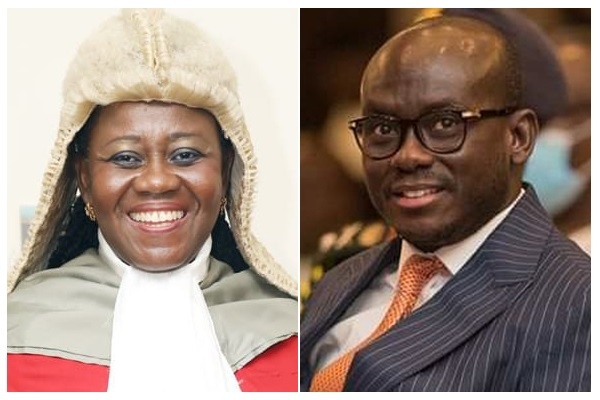
Asante said the debate surrounding the positions of former Attorney General Godfred Dame, former Attorney General and NPP MP Atta Akyea, and the Ghana Bar Association had not sufficiently addressed the relevant legal provisions.
He argued that the provisions of the Courts Act, Constitutional Instrument 47 (CI 47), and the inherent powers of the Chief Justice as head of the Judiciary give the Chief Justice authority to assign judges to sit on any day, including during the legal vacation.
He maintained that where judges are available and willing to sit, the vacation plans of lawyers should not prevent a court from performing its judicial functions.
Asante, however, acknowledged that lawyers are not obliged to work during their personal vacation periods.
He said lawyers have professional and ethical responsibilities to their clients, and whether a lawyer chooses to appear in court is primarily a matter between the lawyer and the client.
He nevertheless drew a distinction between a lawyer's decision not to work and the authority of a court to sit.
“A lawyer’s personal decision about their vacation cannot and must not be allowed to halt the sitting of a court,” he argued.
He also rejected claims that courts do not conduct trials during legal vacation, pointing to previous instances where judges have been assigned to continue proceedings during the period.
As an example, he cited the 2023 legal vacation, when then-Chief Justice Gertrude Torkornoo issued a warrant assigning Justice Afia Serwah Asare-Botwe to continue hearing the Ato Forson case.
According to Asante, the example demonstrates that judicial proceedings can take place during legal vacation where the appropriate judicial authority determines that a matter should proceed.
He cautioned against reversing the respective roles of judges and lawyers in the administration of justice.
“It is the court that governs its proceedings,” he said, arguing that allowing lawyers to determine whether a court should sit simply because they have declared themselves on vacation would undermine the proper administration of justice.
-Overseeronline.com













Post Comment