GMTF Moves Beyond Medical Bills With Major Healthcare Infrastructure Projects
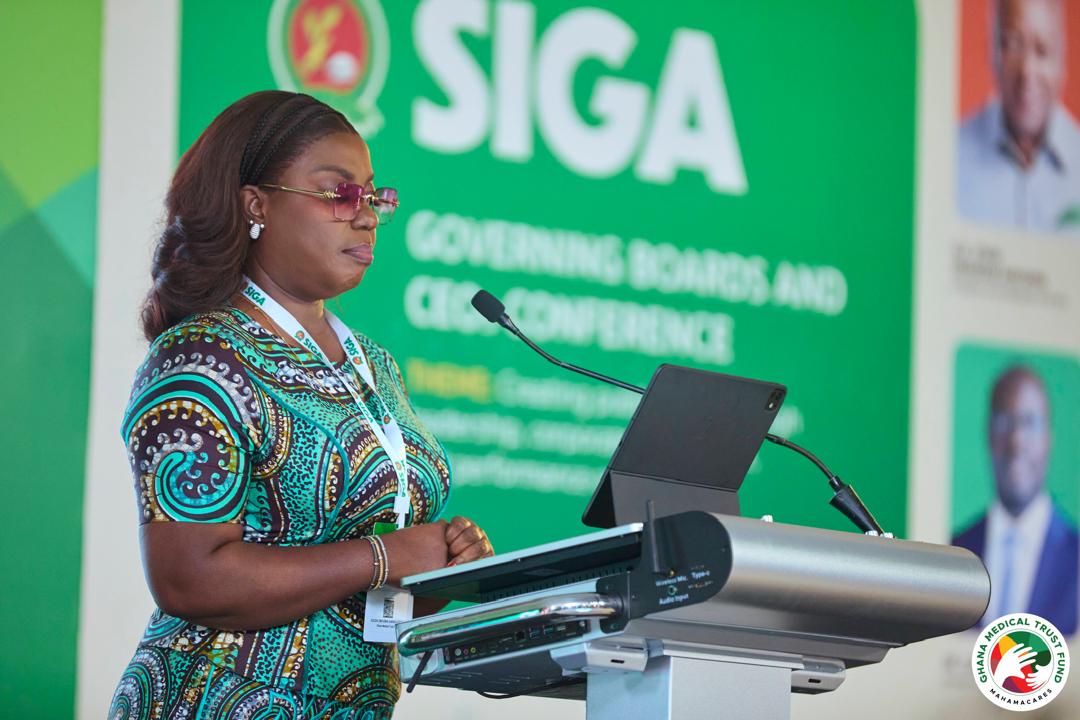 The Ghana Medical Trust Fund (GMTF) is expanding its mandate beyond the payment of medical bills to address critical gaps in Ghana’s healthcare system, particularly in the diagnosis and treatment of chronic and Non-Communicable Diseases.
The Fund is pursuing a number of major healthcare infrastructure projects, including new cardiac catheterisation centres at the Komfo Anokye Teaching Hospital and Tamale Teaching Hospital, a comprehensive Oncology and Nuclear Medicine Centre at Korle- Bu, and a US$10 million Diagnostic and Imaging Centre at the Greater Accra Regional Hospital.
Administrator of the GMTF, Adjoa Obuobia Darko-Opoku, said the strategy followed a nationwide assessment of healthcare facilities and patient experiences, which revealed that financial assistance alone could not address the challenges confronting patients requiring specialised care.
The assessment covered teaching, regional and referral hospitals and examined issues including shortages of equipment and specialists, distances travelled by patients, waiting times and challenges facing healthcare professionals.
Speaking at an event organised by the State Interests and Governance Authority (SIGA), Miss Darko-Opoku said the findings had shaped the Fund’s approach to simultaneously address affordability, infrastructure, equipment, specialist shortages and research.
She said the GMTF’s interventions were being implemented around four interconnected pillars: financial assistance for eligible patients requiring specialised treatment, investment in medical equipment and infrastructure, specialist training and human-capacity development, and research and innovation in Non-Communicable Diseases.
“Funding treatment does not help much without the right equipment. Equipment is not useful without trained specialists, and ongoing care needs research to help us learn and improve,” she said.
Following the fire at the National Cardiothoracic Centre at Korle- Bu Teaching Hospital, the GMTF supported the rebuilding and expansion of the cardiac catheterisation laboratory.
The Fund is now extending its cardiac-care intervention to other parts of the country, with construction underway on new cardiac catheterisation centres at the Komfo Anokye Teaching Hospital in Kumasi and the Tamale Teaching Hospital.
The centres are expected to be fully equipped, commissioned and operational by the end of the year.
The expansion is expected to improve access to specialised cardiac services and reduce the need for patients in the middle and northern parts of the country to travel to Accra for treatment.
At Korle Bu, the GMTF is also pursuing plans for a comprehensive Oncology and Nuclear Medicine Centre in partnership with private investors.
The proposed facility will include a PET-CT scanner, linear accelerator machines, MRI and CT scanners, as well as a chemotherapy suite.
The project is intended to create an integrated cancer-care pathway within the public health system, bringing advanced diagnosis, imaging, treatment and nuclear medicine services together.
The Greater Accra Regional Hospital is also expected to benefit from a major investment in diagnostic and imaging services.
The GMTF identified a significant gap in advanced diagnostic capacity at the hospital, which attends to about 800 patients daily.
Following engagements with Corporate Ghana, KGL Group has committed US$10 million towards the establishment of a purpose-built Diagnostic and Imaging Centre at the hospital.
The proposed facility will provide services including MRI, CT scans, mammography, digital X-ray and fluoroscopy.
According to Mrs Darko-Opoku, a site has already been secured and preparatory processes are underway to commence implementation.
GMTF to prioritise maintenance of medical equipment
The GMTF also plans to address the longstanding challenge of medical equipment becoming dysfunctional after installation.
Mrs Darko-Opoku said the Fund’s responsibility would not end with the procurement and installation of equipment.
She said systems would be put in place for the management, servicing and maintenance of the equipment and infrastructure provided by the Fund to ensure that the investments remain functional over the long term.
She added that donated medical equipment would be allocated to health facilities based on evidence from the Fund’s nationwide needs assessment, rather than being distributed without consideration of actual needs.
Mrs Darko-Opoku said the nationwide assessment also exposed shortages of specialists, which often forced patients to travel outside their regions to access advanced treatment.
The GMTF has therefore partnered with professional colleges to invest in specialist training, with an ambition to ensure that every region has at least 10 specialists within the next few years.
The Fund is also investing in research and innovation, using data on patient care, disease trends, hospital needs and treatment outcomes to guide future interventions.
While pursuing its long-term healthcare infrastructure agenda, the GMTF continues to provide direct financial support to patients requiring specialised treatment.
After piloting its processes with 50 patients from across the country, the Fund developed GMTF Care, a digital platform for patient registration, case management, approvals, claims and payments.
More than 500 patients have so far been onboarded onto the platform.
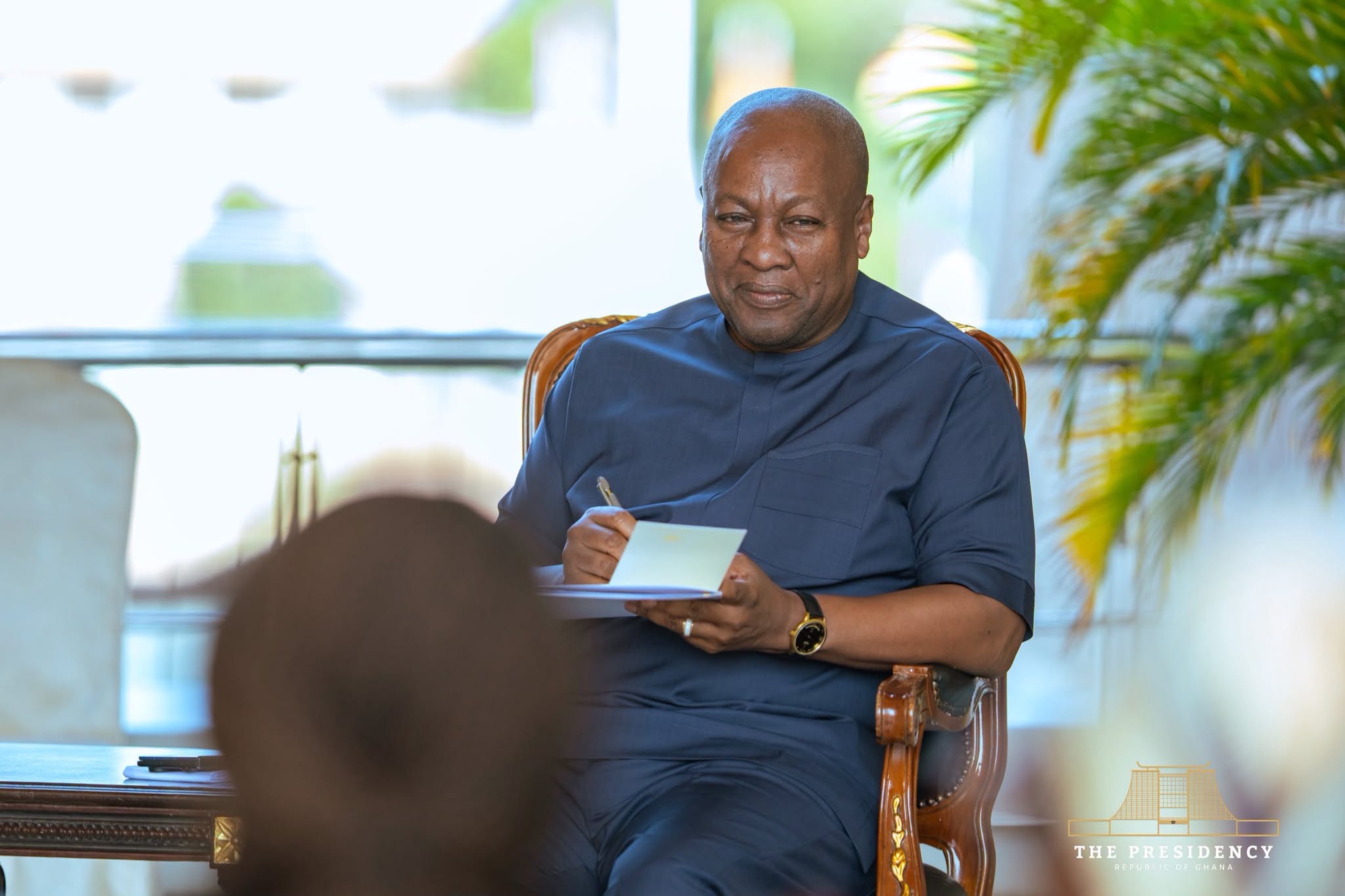
Mrs Darko-Opoku credited President John Dramani Mahama, Vice President Prof. Naana Jane Opoku-Agyemang, government appointees, the Ministry of Health, the National Health Insurance Authority and the Fund’s Board of Trustees for supporting the development of the institution.
She said personal financial contributions from the President, Vice President and government appointees provided critical seed funding that enabled the Fund to commence support for patients.
Corporate Ghana has also joined the initiative, with the Social Security and National Insurance Trust (SSNIT) procuring a 64-slice CT scanner and mammography machine, while the Ghana Gold Board has pledged an MRI machine for the Fund.
Mrs Darko-Opoku appealed to state-owned enterprises, private companies, development partners and other institutions to deepen their partnerships with the GMTF.
She said the success of the Fund would ultimately be measured not by the number of projects announced, but by whether Ghanaians living with non-communicable diseases could access affordable treatment, appropriate equipment and specialist care.
“It is about whether a Ghanaian with a non-communicable disease can get the care they need without feeling left behind.
It is about having the right equipment, the right specialist nearby, and affordable treatment,” she said.
-Overseeronline.com











Post Comment