Assemblies Must Lead Ghana’s Climate Response – Local Government Minister
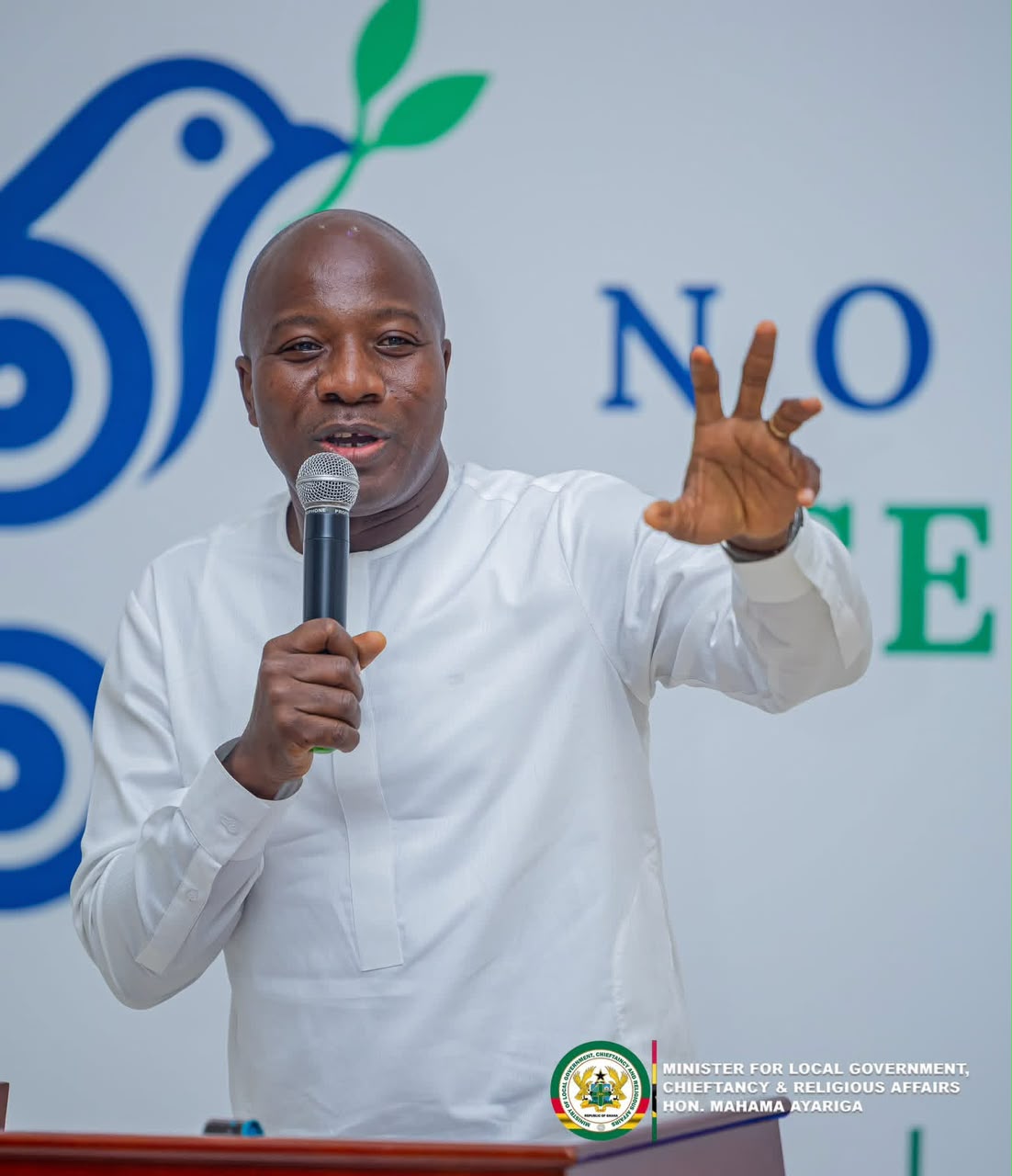 The Minister for Local Government, Chieftaincy and Religious Affairs, has called on Metropolitan, Municipal and District Assemblies (MMDAs) to take a leading role in Ghana’s response to climate change, stressing the need to translate national commitments into practical results at the community level.
He said the effects of climate change, including flooding, drought, pressure on land and water resources, and threats to farming livelihoods, were being felt directly in districts, making local government institutions central to the country’s green transition.
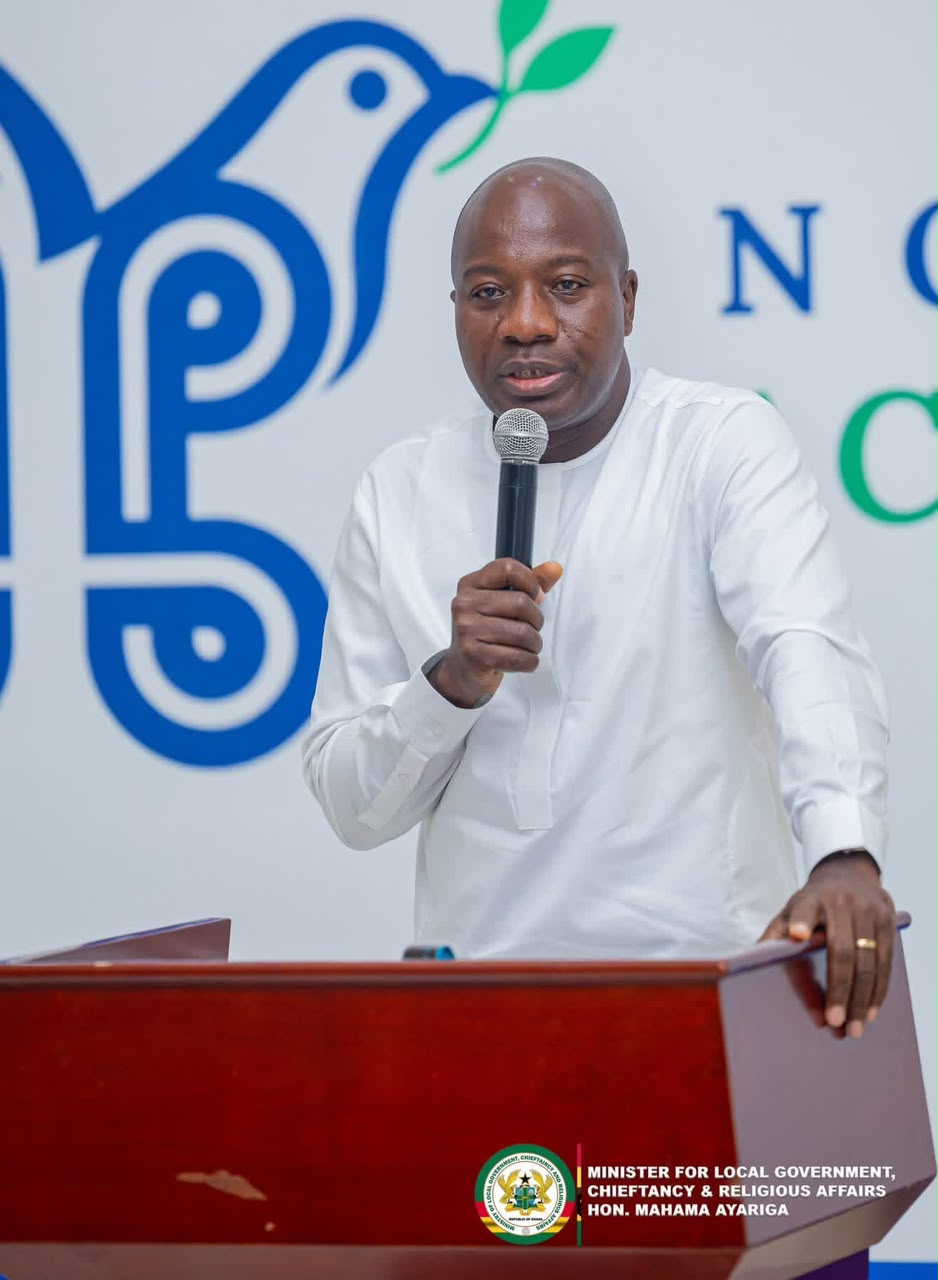
Speaking at the Ghana National Climate and ESG Policy Summit 2026 at the Mövenpick Ambassador Hotel in Accra on Tuesday, October 27, the Minister said climate action must be integrated into the development plans and budgets of local assemblies.
“Much of that action will happen at the local level. It is in our districts that the effects of climate change are felt first,” he said.
He noted that decentralising the green transition would require strengthening the capacity of assemblies to plan, finance, implement and report on climate action, alongside improved coordination between national institutions and local government authorities.
The Minister said his ministry would continue to collaborate with the Office of the Minister of State for Climate Change and Sustainability, the Ministry of Environment, Science and Technology, the District Assemblies Common Fund (DACF), the National Association of Local Authorities of Ghana (NALAG) and development partners to advance the agenda.
He also acknowledged the role of traditional authorities, describing them as essential partners in climate action because of their responsibility as custodians of land and natural resources.
The Minister further called for climate policies to respond to the needs of vulnerable communities, women, young people and people whose livelihoods depend on the natural environment.
He said a just and equitable transition must ensure that the benefits of climate action were widely shared and that no community was left behind.
The Ghana National Climate and ESG Policy Summit brought together government officials, local government leaders, private sector representatives, development partners and civil society organisations to discuss policies and strategies for advancing climate resilience and Environmental, Social and Governance (ESG) principles in Ghana.
-Overseeronline.com












Post Comment